Boho Script: A Designer’s Review for Real Embroidery Projects
As a designer who has spent countless hours staring at digitized files and troubleshooting thread breaks, I approach every new machine embroidery design with a mix of curiosity and skepticism. We have all been there: you download a beautiful preview, only to find the stitch path is a nightmare on textured fabric or the density is too high for a lightweight tee. Today, I am taking a close look at Boho, a piece from the Script Amp collection, to see if it holds up in the real world of custom apparel and handmade goods.
First Impressions: Mood and Visual Personality
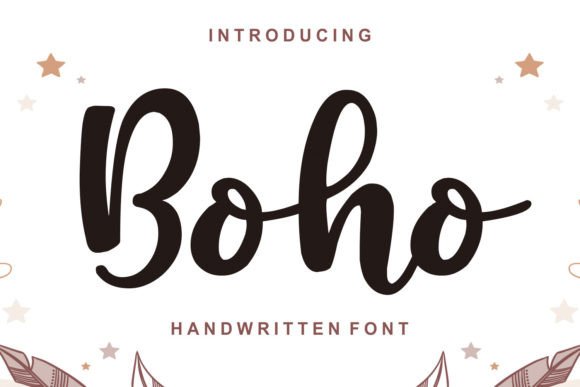
The moment I loaded Boho into my editing software, the vibe was immediate. It does not scream for attention with aggressive boldness; instead, it whispers. The flow of the script suggests a relaxed, organic energy that fits perfectly with current trends in boutique branding and modern home decor. For those of us creating design assets for Etsy sellers or small shop owners, this aesthetic is gold. It feels curated rather than manufactured.
Visually, the letterforms are connected with a grace that avoids the common pitfall of looking like a standard font converted to stitches. There is a human touch to the curvature. However, as an experienced reviewer, I look past the pretty shape to the structural integrity. How will those thin connectors hold up after ten washes? Does the layout allow for clean stitching without excessive jumps? These are the questions that determine whether a design becomes a staple in your library or a one-time experiment.
Real-World Application: The Tote Bag Test
To truly evaluate Boho, I decided to use it for a practical project: a custom canvas tote bag for a local farmer’s market vendor. This is a classic scenario for any craft business. The client wanted something elegant but durable, something that said "artisanal" without being overly fussy.
I chose a natural, unbleached cotton canvas for the base. This fabric choice is critical because canvas has a distinct weave that can swallow fine details if the stitch density is not managed correctly. I paired the design with a deep olive green thread to create a subtle, earthy contrast. The result was striking. The script sat comfortably on the fabric, neither sinking into the weave nor puckering the surface excessively. It transformed a plain utility item into a desirable handmade product.
This success translates well to other items. Imagine Boho on a linen tea towel for a wedding gift, or subtly placed on the cuff of a denim jacket. It works exceptionally well for personalized gift markets where the recipient values understated elegance over loud graphics. For Etsy sellers, this versatility means you can offer the same design across multiple product lines, from baby embroidery on muslin swaddles to sophisticated sweatshirt embroidery for adult customers.
Navigating Technical Challenges
While Boho performs beautifully on stable, medium-weight fabrics, we must discuss where caution is needed. Script designs, by nature, rely on continuous lines and often feature delicate tails or thin strokes. If you are planning to stitch this on a stretchy jersey knit or a slippery satin, you need to be strategic.
On stretchy fabrics, the tension can distort the lettering, making the elegant curves look warped. I strongly recommend using a cut-away stabilizer rather than tear-away for these applications. Additionally, if you are working with a very small hoop size, ensure that the scaling does not compromise the integrity of the thin connecting strokes. If the design is shrunk too much, those delicate threads may break during stitching or wear out quickly in the wash.
Another consideration is dark fabric. When stitching light thread on dark material, the background fabric can peek through the stitches if the coverage is not dense enough. While Boho uses a balanced mix of satin stitch and finer lines, you might need to adjust your underlay settings or add a backing layer to ensure the text pops clearly. Always test on scrap fabric first. This simple step saves hours of frustration and protects your reputation as a professional.
Commercial Viability and Brand Consistency
For commercial embroidery projects, consistency is key. Your clients need to know that the logo or name you stitch today will look identical to the one you stitch next month. Boho offers a level of reliability that supports this need. The digitizing appears consistent, with logical stitch directions that minimize thread breaks and trim points.
From a marketing perspective, this design enhances brand consistency for boutiques aiming for a bohemian or minimalist aesthetic. It adds perceived value to the finished product. A customer is more likely to pay a premium for a tote bag or pillow cover featuring a well-executed, artistic script than one with a generic block font. It signals care and attention to detail.
If you are selling digital embroidery file products, ensure you clearly communicate the recommended fabric types and stabilizer choices to your buyers. Providing a printable mockup that shows the design on various textures can help manage expectations and reduce refund requests. Remember, the perceived quality of your digital product is often judged by how well it stitches out for the end-user.
Practical Notes for the Studio
Before you commit to a large production run or list a new item in your small shop product lineup, keep these practical tips in mind:
- Check Thread Contrast: View the design in black and white on your screen. If the details disappear in grayscale, they may get lost on low-contrast fabrics.
- Inspect Small Details: Zoom in on the entry and exit points of the stitches. Clean transitions mean less trimming and a cleaner backside.
- Verify Licensing: Always confirm the license terms before selling finished items. Some designers allow commercial use of the physical product but restrict the resale of the digital file itself.
- Fabric Texture Matters: Test on both smooth and textured surfaces. A design that looks crisp on poplin might look fuzzy on terry cloth.
- Wash Testing: Stitch a sample, wash it, and dry it. Check for puckering or thread degradation. This builds trust with your customers.
In conclusion, Boho is a strong contender for designers looking to add a touch of organic elegance to their portfolio. It is not just a pretty picture; it is a functional tool for creating high-quality embroidered patch work, apparel, and home goods. By understanding its strengths and respecting its limitations regarding fabric choice and stabilization, you can leverage this design to create products that resonate with customers and stand the test of time. Whether you are a hobbyist making gifts or a seasoned pro managing a busy order queue, this script offers the flexibility and charm needed to elevate your craft.