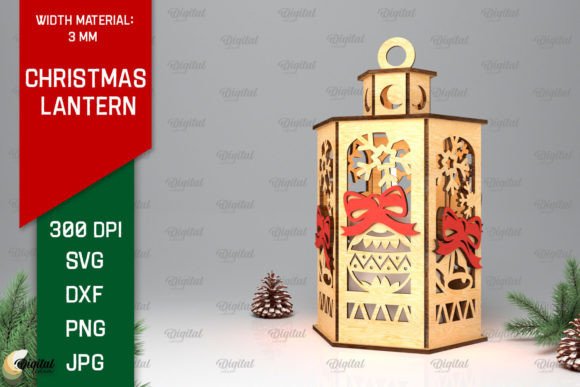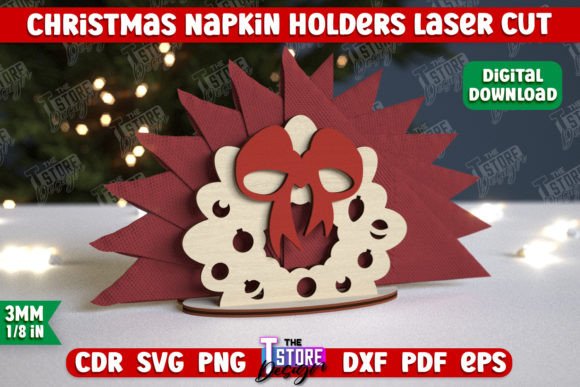
Christmas Napkin Holder: Winter Amp Design
As a graphic designer who has spent years refining brand identities and creating marketing visuals for small business owners, I approach every new graphic design asset with a critical eye. It is not just about whether an illustration looks cute; it is about whether it holds up under the pressure of real-world application. Recently, I evaluated the Christmas Napkin Holder Dining Table asset for a client project involving a boutique home goods brand. The goal was to elevate their seasonal campaign without losing the sophisticated edge they had built over the last year. Here is my professional review of how this asset performs in a commercial design context.
First Impressions and Visual Mood
The first thing that strikes you about the Christmas Napkin Holder Dining Table is its ability to balance festive cheer with structural elegance. In the realm of Winter Amp aesthetics, many assets lean too heavily into clutter or excessive ornamentation. This piece, however, offers a cleaner visual narrative. It evokes a sense of warm hospitality and curated dining experiences, which is exactly what modern consumers are looking for during the holiday season.
The style represents a blend of traditional holiday motifs with a contemporary touch. For a designer, this is crucial. It means the asset is versatile enough to fit into various brand identity systems, from rustic handmade businesses to sleek, modern e-commerce stores. The mood it creates is inviting yet polished, making it an ideal candidate for projects that need to feel both personal and professional.
Performance in Real Design Scenarios
When integrating this asset into actual client work, I tested it across multiple mediums. The versatility of a high-quality digital product lies in its adaptability. Here is how the Christmas Napkin Holder Dining Table performed in specific design situations:
- Packaging Design: The asset worked exceptionally well on box labels and tissue paper seals. Its clear lines ensured that even when scaled down, the details remained visible, enhancing the unboxing experience for customers.
- Social Media Graphics: For Instagram posts and Pinterest pins, the illustration served as a strong focal point. It helped break up text-heavy promotional content, increasing audience engagement through visual appeal.
- Print-on-Demand Products: I applied the design to tote bags and ceramic mugs. The contrast held up well on both light and dark fabric backgrounds, proving its viability for sublimation design and direct-to-garment printing.
- Editorial Design: In a holiday newsletter layout, the asset acted as a decorative accent that guided the reader’s eye without overpowering the written content. It supported the visual hierarchy rather than disrupting it.
For Cricut users and crafters, this type of SVG design is invaluable. It allows for precise cutting and layering, making it perfect for physical decor items or custom sticker sheets. If you are selling these as Etsy products, the clean paths in the vector file ensure that your production process remains efficient and error-free.
Strategic Placement and Usage Limits
While the Christmas Napkin Holder Dining Table is a robust asset, knowing where to place it is key to maintaining a professional look. It shines brightest in large layout areas, such as hero graphics on a website homepage or as the central element in a product mockup. It also works beautifully as part of a themed collection, where it can be paired with complementary elements like cutlery illustrations or winter foliage.
However, designers should use caution in certain contexts. Avoid placing this asset in crowded layouts where it might compete with complex backgrounds or dense text. In minimalist branding projects, ensure that the level of detail aligns with the overall modern design ethos of the brand. If the brand relies on ultra-clean, corporate aesthetics, this festive illustration might feel out of place unless used very sparingly as a subtle accent.
Additionally, be mindful of low-contrast designs. If the asset features fine lines, ensure there is sufficient contrast against the background color to maintain readability and visual trust. A blurry or indistinct image can undermine the perceived quality of the entire marketing visuals campaign.
Impact on Brand Consistency and Trust
Using a cohesive set of design assets is fundamental to building brand recognition. The Christmas Napkin Holder Dining Table contributes to a sense of continuity when used alongside other seasonal elements. It reinforces the emotional appeal of the brand, connecting with customers on a personal level during the holidays. This emotional connection drives engagement and can significantly boost sales for small business branding efforts.
Professionalism is also tied to the quality of the assets used. A pixelated or poorly constructed illustration can make a brand appear amateurish. By choosing a well-crafted clipart or illustration like this one, designers signal attention to detail and care for the customer experience. This builds visual trust, which is essential for converting browsers into buyers in the competitive creative marketplace.
Practical Designer Notes for Implementation
Before finalizing any client project with this asset, I recommend following a strict quality control checklist. These steps ensure that the commercial design output meets industry standards:
- Test in Black and White: Convert the asset to grayscale to check if the form holds up without color. This is crucial for single-color printing methods often used in sticker design or budget-friendly flyers.
- Check Contrast: Preview the asset on both light and dark backgrounds. Ensure that no details are lost in shadow or washed out by brightness.
- Scale Testing: View the design at very small sizes (such as a favicon or social media avatar) and very large sizes (such as a banner). Look for any jagged edges or loss of clarity.
- Mockup Integration: Place the asset on real-world product mockups to see how it interacts with textures and lighting. This helps identify any blending issues early.
- File Format Review: If using a PNG design, inspect the transparency edges for halos or artifacts. If using an SVG design, open the file in a vector editor to ensure all paths are closed and editable.
- Font Pairing: Experiment with different typography styles. Compare how the asset looks with serif fonts for a classic feel, sans serif fonts for a modern look, or script fonts for a handwritten, personal touch. Ensure the font weight balances the visual weight of the illustration.
- Licensing Verification: Always confirm the commercial license terms before using the asset for a client or business project. Ensure that the license covers print-on-demand, digital sales, and broad distribution if required.
In conclusion, the Christmas Napkin Holder Dining Table is a valuable addition to any designer’s toolkit. It offers the flexibility needed for diverse applications, from web design to physical merchandise. By understanding its strengths and limitations, designers can leverage this asset to create compelling, high-quality work that resonates with audiences and supports business goals. Whether you are creating a Canva template for social media or a full-scale packaging design system, this asset provides the festive polish that can make a project stand out in a crowded market.