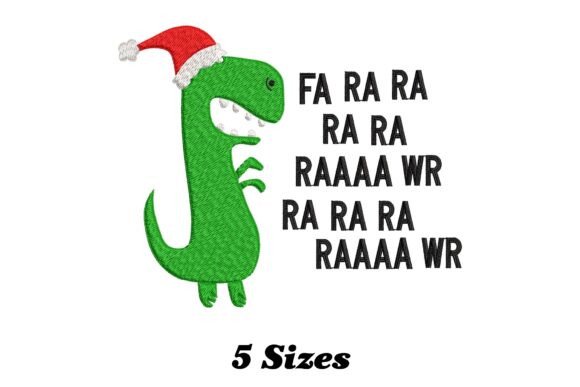
Fa Ra Ra Rawr T-Rex Dino Christmas Design Review
As a designer who has spent countless hours staring at digitizing software and troubleshooting thread breaks, I approach every new machine embroidery design with a mix of curiosity and skepticism. We have all seen the trend of mixing dinosaurs with holidays, but executing it well requires more than just slapping a Santa hat on a lizard. When I first loaded the Fa Ra Ra Rawr T-Rex Dino Christmas file into my viewer, I was looking for balance. Does the whimsy overpower the technique? Is it actually stitchable on real fabric, or is it just a pretty picture that will puckers up on a sweatshirt?
The first impression is undeniably charming. The layout captures a playful mood that fits perfectly within the current market demand for quirky, non-traditional holiday decor. For those of us running a craft business or selling on Etsy, this kind of visual personality is gold. It stands out against the sea of standard snowflakes and reindeer. However, charm alone does not make a viable product. I needed to determine if this design would hold up under the needle during actual production.
Real-World Application: The Holiday Sweatshirt Test
To truly evaluate this asset, I imagined a specific client request: a custom sweatshirt embroidery project for a toddler’s family photo shoot. This is a common scenario for many Etsy sellers and small shop product creators. The goal was to create a personalized gift that feels high-end yet fun. I placed the Fa Ra Ra Rawr T-Rex Dino Christmas design on a digital mockup of a heather grey crewneck. Visually, it worked. The scale felt appropriate for the chest area, not too overwhelming but large enough to be readable from a distance.
The theme bridges two massive markets: dinosaur lovers and holiday enthusiasts. This crossover appeal is crucial for commercial embroidery projects because it extends the shelf life of your inventory. You are not just selling a Christmas item; you are selling a character-driven piece that appeals to kids year-round, with a seasonal twist. For a handmade product line, this versatility allows you to market it as holiday embroidery in December and a cute dinosaur motif in July, simply by changing the surrounding text or context.
Stitching Performance and Technical Considerations
When moving from screen to hoop, the technical details matter most. While I do not have the exact stitch count or file format specifics here, any experienced embroiderer knows to check these before hitting start. For a design like this, which likely combines bold shapes with finer details, understanding the stitch density is vital. If the T-Rex body uses a heavy fill stitch, it may pull on lighter fabrics. Conversely, if the text "Rawr" utilizes a satin stitch, it needs a solid foundation to prevent snagging.
I recommend testing this embroidery file on scrap fabric that matches your final product. If you are aiming for a tote bag design using canvas, the density might be perfect. However, if you are attempting baby embroidery on a soft onesie, you must use a high-quality cut-away stabilizer to support the weight of the threads. Textured fabrics can also hide minor imperfections, but they might obscure small details in the dinosaur’s eyes or teeth. Always inspect the small corners and tiny lettering in a test run to ensure clarity.
Another critical factor is thread colors. This design likely relies on contrast to pop. On dark fabrics, you may need to adjust the color palette or add an underlay to ensure the green of the dinosaur and the red of the holiday elements stand out. Running a black-and-white mockup can help you visualize value contrast before you waste expensive thread. If the design includes an applique design element, ensure your fabric choice for the applique patch complements the base garment without adding excessive bulk.
Navigating Fabric and Hoop Constraints
Not every surface is created equal. While this design shines on flat surfaces like pillow covers or tea towels, curved surfaces present challenges. Embroidering on a cap requires careful placement to avoid distortion. If the hoop size is tight, you might struggle to keep the fabric taut around the dinosaur’s tail or head. For custom apparel like jackets, consider the seam allowances. You do not want the needle hitting a thick side seam while stitching the edge of the design.
Additionally, consider the end-user’s lifestyle. A finished product meant for frequent washing, such as a child’s pajama set, needs durable stitching. Check if the design uses excessive running stitch outlines that might fray over time. Reinforcing key areas can extend the life of the item, boosting customer trust and reducing returns. For boutique branding, consistency is key. If this design becomes part of your seasonal collection, ensure it aligns with your overall aesthetic. Does it feel professional? Yes, provided the stitching is clean and the colors are well-chosen.
Commercial Viability and Brand Consistency
For digital product sellers and creative entrepreneurs, the value of this design lies in its marketability. It creates an emotional connection. Parents love seeing their children’s interests reflected in holiday gear. By offering this as part of a printable mockup bundle or as a ready-to-wear item, you increase buyer engagement. It is not just an embroidery project; it is a conversation starter.
However, always verify licensing terms. Before selling design assets or finished items commercially, confirm that the license allows for mass production or digital resale. Many designers offer different tiers for hobbyists versus commercial users. Protecting your business means respecting intellectual property. Once cleared, this design can be a strong addition to your portfolio, appealing to those looking for unique embroidered patch ideas or standalone decorative elements.
In conclusion, the Fa Ra Ra Rawr T-Rex Dino Christmas design offers a blend of humor and holiday spirit that resonates with modern consumers. It requires thoughtful execution regarding stabilizer choice, thread selection, and fabric compatibility. But when done right, it transforms a simple garment into a memorable keepsake. For the serious maker, it is a worthwhile addition to the library, provided you take the time to test and refine your process for each specific application.