Review: Lighting Tennis Ball Christmas Embroidery Design
As a designer who has spent years digitizing and testing machine embroidery patterns, I approach every new file with a mix of curiosity and caution. We all know the feeling: you see a cute concept online, but will it actually stitch out cleanly on a customer’s garment? Today, I am taking a close look at Lighting Tennis Ball Christmas, a design that sits squarely in the Sports category but carries a festive twist. This isn’t just about whether it looks good on screen; it is about how it performs under the needle when you are trying to deliver a high-quality finished product.
First Impressions and Visual Personality
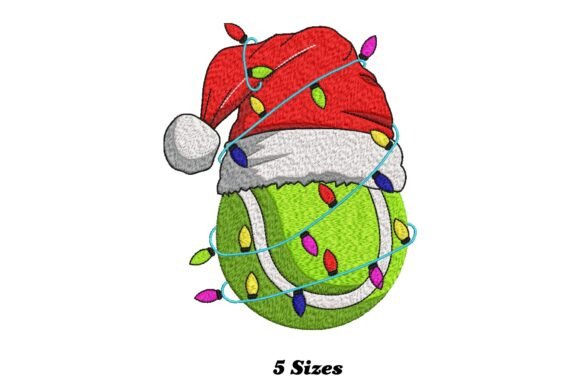
The first thing that strikes me about Lighting Tennis Ball Christmas is its playful juxtaposition. Combining the energetic, familiar shape of a tennis ball with holiday lighting elements creates a unique visual niche. It feels modern and sporty, yet warm enough for the season. The layout appears balanced, avoiding the clutter that often plagues themed designs. For an embroidery project, this clarity is crucial. If the details are too small or the lines too chaotic, the thread will bleed together, ruining the definition.
The mood here is lighthearted and specific. It appeals to tennis enthusiasts, coaches, and players who want to celebrate the holidays without resorting to generic snowflakes or trees. As a reviewer, I appreciate designs that tell a story. This piece suggests activity and celebration, making it a strong candidate for personalized gifts and boutique merchandise.
Real-World Application: The Custom Sweatshirt Test
To truly evaluate Lighting Tennis Ball Christmas, I imagine preparing a custom order for a local tennis club. The client wants matching sweatshirts for their end-of-year party. This is a classic scenario for a craft business or Etsy seller. Here, the design needs to hold up against the texture of fleece or cotton-blend fabric.
In this context, the design’s scale becomes critical. On a adult-sized sweatshirt, you have ample room for a larger hoop size, allowing the details of the "lighting" elements to breathe. However, if you were to shrink this down for a baby embroidery project or a small pocket logo, you might lose the intricacy of the light strands. I recommend testing the design on scrap fabric first, specifically using the same material as your final product. Check the stitch density to ensure it doesn’t pucker the fabric, especially if you are working with thinner materials like performance tees.
Versatility Across Product Types
Beyond sweatshirts, where else does this design shine? I see strong potential in several areas:
- Tote Bag Design: A canvas tote with this motif makes a practical and stylish gift for carrying gear. The sturdy fabric handles fill stitches well.
- Embroidered Patch: Creating iron-on or velcro patches allows customers to add the design to jackets or bags they already own. This expands your product line without needing to stock multiple garment sizes.
- Caps and Hats: Curved surfaces are tricky. If the design is too wide, it may distort on the front panel of a cap. Verify the width against your standard cap hoops before promising this as a custom apparel option.
- Kitchen Towels and Aprons: For a coach’s spouse or a sports-loving host, holiday embroidery on home goods adds a personal touch. Ensure you use a proper stabilizer to prevent pull on woven towels.
Technical Considerations for Stitching Success
When working with any digital embroidery file, technical execution determines the perceived value of the handmade product. With Lighting Tennis Ball Christmas, pay close attention to thread colors. The contrast between the tennis ball yellow-green and the holiday lights must be sharp. If you choose thread colors that are too similar in value, the design will look muddy from a distance.
I always advise reviewing the stitch types used in the file. Does it rely heavily on satin stitch for the outlines, or does it use running stitch for finer details? Satin stitches provide a glossy, premium look but can snag if too long. Fill stitches add bulk and texture, which is great for visibility but requires careful tension management. If the design includes tiny lettering or intricate corners, inspect these areas in your software’s preview mode. Zoom in to check for potential thread breaks or excessive jumps.
Another critical factor is the fabric texture. On dark fabric, you may need to adjust the underlay or use a lighter thread color to ensure visibility. Conversely, on light fabric, ensure the background elements don’t disappear. Testing in black and white mockups can help you assess contrast before you even thread the machine.
Commercial Viability and Brand Consistency
For small shop owners and digital product sellers, the commercial appeal of Lighting Tennis Ball Christmas lies in its specificity. It targets a passionate niche. Sports fans are loyal, and holiday shoppers are looking for unique items. By offering this design on curated products, you enhance brand consistency and buyer engagement.
However, professionalism is key. A poorly stitched design damages customer trust. Before listing this as a finished product or including it in a bundle of design assets, confirm the licensing terms. Can you sell physical items made with this file? Can you resell the digital embroidery file itself? Never assume. Always read the license provided by the creator.
Additionally, consider how this fits into your broader catalog. If you specialize in minimalist designs, this might feel too busy. If you focus on vibrant, thematic work, it fits perfectly. Use printable mockups to visualize how it looks in your shop’s branding before committing to production runs.
Final Verdict for Makers and Designers
Lighting Tennis Ball Christmas is a compelling choice for those looking to blend athletic passion with seasonal cheer. It works best when given enough space to stitch out clearly, such as on sweatshirts, tote bags, or large patches. Be cautious with very small hoop sizes or highly textured fabrics where fine details might get lost.
Remember to prioritize quality control. Use the right stabilizer, test your thread combinations, and inspect the final product for loose threads or puckering. When executed well, this design adds significant value to your handmade product lineup, offering customers a thoughtful, personalized gift that stands out from mass-produced alternatives. Whether you are an experienced apparel decorator or a hobbyist expanding your craft business, this design offers a fun, professional-looking addition to your holiday collection.