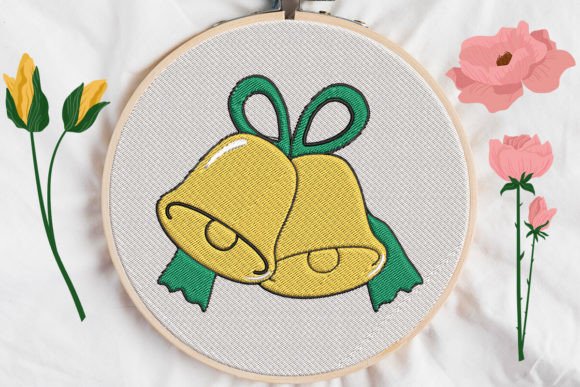
Reviewing Christmas Decorative Bells for Holiday Stitching
As an embroidery designer who has spent countless hours tweaking tension settings and swapping out needles, I approach every new machine embroidery design with a mix of curiosity and caution. The holiday season is particularly tricky because the market is saturated with generic motifs. When I first loaded the Christmas Decorative Bells file into my software, I wasn’t just looking for festive cheer; I was looking for structural integrity and visual balance. This isn’t just about whether it looks cute on a screen; it’s about how it holds up on a textured towel or a stretchy sweatshirt after a wash cycle.
First Impressions and Visual Personality
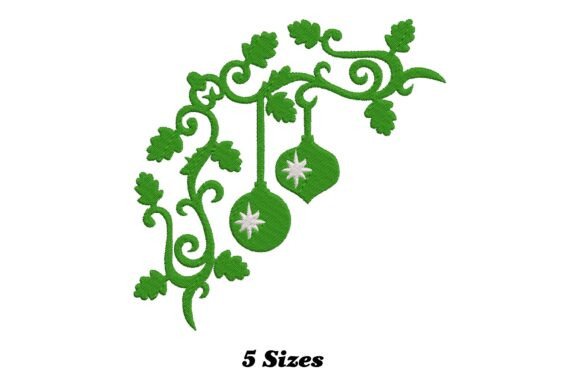
The initial view of Christmas Decorative Bells suggests a classic, timeless aesthetic rather than a trendy, fleeting style. The layout feels balanced, avoiding the clutter that often plagues holiday designs. What stands out immediately is the potential for clean line work. In embroidery, clarity is king. If the details are too tight, they become a muddy mess of thread. If they are too sparse, the design lacks impact. This design seems to strike a middle ground, relying on well-placed satin stitch borders to define the bell shapes while using fill stitch areas strategically to add weight without excessive density.
The mood it creates is warm and traditional. It doesn’t scream for attention with neon colors or chaotic elements. Instead, it invites a sense of nostalgia. For a craft business owner, this is valuable. It means the design can appeal to a broad demographic, from grandparents buying gifts to young parents decorating nursery items. It feels like a design that belongs on heirloom-quality pieces rather than disposable fast fashion.
Real-World Application: The Tote Bag Test
To truly evaluate a design, you have to imagine it in a specific context. Let’s say I am preparing a batch of canvas tote bags for a local winter market. Canvas is a sturdy fabric, but it has a distinct weave that can interfere with small details. I visualize placing Christmas Decorative Bells on the lower corner of the bag, perhaps paired with a simple monogram.
In this scenario, the design’s performance depends heavily on stitch density. If the bells are too dense, the canvas might pucker around the hoop area. If the running stitch underlay isn’t sufficient, the satin edges might shift during washing. Assuming the file is well-digitized, the bold outlines of the bells should pop against the natural beige of the canvas. I would likely choose deep reds and forest greens for the thread colors to create high contrast. This combination turns a simple grocery bag into a personalized gift that feels substantial and valuable.
Versatility Across Product Lines
Beyond tote bags, this design shows promise for various embroidery project types. For sweatshirt embroidery, the design needs to be large enough to be seen but not so large that it stiffens the chest area. A medium-sized placement on the left chest works well here. For baby embroidery, such as on a onesie or blanket, the softness of the thread is crucial. The design should be scaled down to ensure no scratchy satin columns touch the baby’s skin directly.
It also translates well to embroidered patch creation. Patches require dense stitching to prevent fraying when cut. If Christmas Decorative Bells has a solid border or a merrowed edge option, it becomes a versatile asset for Etsy seller shops looking to create iron-on accessories. Even for holiday embroidery on kitchen towels, where absorbency and texture matter, the design’s simplicity allows it to sit nicely on terry cloth without getting lost in the loops.
Technical Considerations and Pitfalls
While the design is promising, there are areas where caution is necessary. Not every fabric behaves the same way. On stretchy fabric like jersey knits, a heavy fill stitch can cause distortion. In such cases, using a cut-away stabilizer is non-negotiable. For dark fabrics, the design must have sufficient coverage to prevent the background color from peeking through the stitches. This is where checking the digital embroidery file preview in black and white is essential. It reveals gaps in coverage that color previews might hide.
Small hoop sizes present another challenge. If you are working with a 4x4 inch hoop, you may need to resize the design. Resizing can alter stitch density, potentially making satin stitches too wide and prone to snagging. Always test on scrap fabric first. Do not assume that a design labeled as "commercial" will work perfectly on every material. Fabric texture plays a huge role. A fluffy fleece will swallow small details, while smooth polyester will show every imperfection in tension.
Enhancing Brand Value and Customer Trust
For small shop product lines, consistency is key. Using a cohesive set of designs like Christmas Decorative Bells helps build brand recognition. When customers see a clean, professional stitch-out, they trust the quality of the entire handmade product. Sloppy embroidery, pulled threads, or puckered fabric erode that trust instantly. A well-executed bell design signals professionalism. It suggests that the maker cares about the details, which justifies a higher price point.
Furthermore, this design aids in creating effective printable mockup assets for online listings. Because the shape is recognizable and distinct, it photographs well. Clear images lead to better buyer engagement. Whether you are selling custom apparel or digital assets, the visual appeal of the finished stitch-out drives sales. It transforms a simple file into a desirable design asset that other makers might want to license or purchase.
Practical Designer Notes for Execution
Before committing to a full production run, follow these steps to ensure success with Christmas Decorative Bells:
- Test on Scrap Fabric: Always stitch a sample on the exact material you plan to use. Check for puckering, thread breaks, and registration issues.
- Check Thread Contrast: Ensure your thread colors stand out against the fabric. Low contrast can make the design look flat and unprofessional.
- Review Stitch Density: If the design feels too stiff, consider reducing the density in your editing software if you have the rights to modify it.
- Confirm Hoop Size: Make sure the design fits comfortably within your hoop with enough margin for stability.
- Inspect Small Details: Zoom in on the digital preview. Are there tiny jumps or unnecessary trims that could cause issues?
- Use Proper Stabilizer: Match the stabilizer to the fabric. Tear-away for stable wovens, cut-away for knits, and water-soluble for delicate or pile fabrics.
- Verify Licensing: Before selling finished product items or sharing the embroidery file, confirm the license terms. Some designers allow commercial use of stitched items but prohibit reselling the digital file itself.
In conclusion, Christmas Decorative Bells offers a solid foundation for holiday crafting. It balances aesthetic charm with technical practicality, provided the user respects the limitations of their materials and machine. For the creative entrepreneur, it is a reliable tool in the seasonal toolkit, capable of elevating simple goods into cherished keepsakes.